
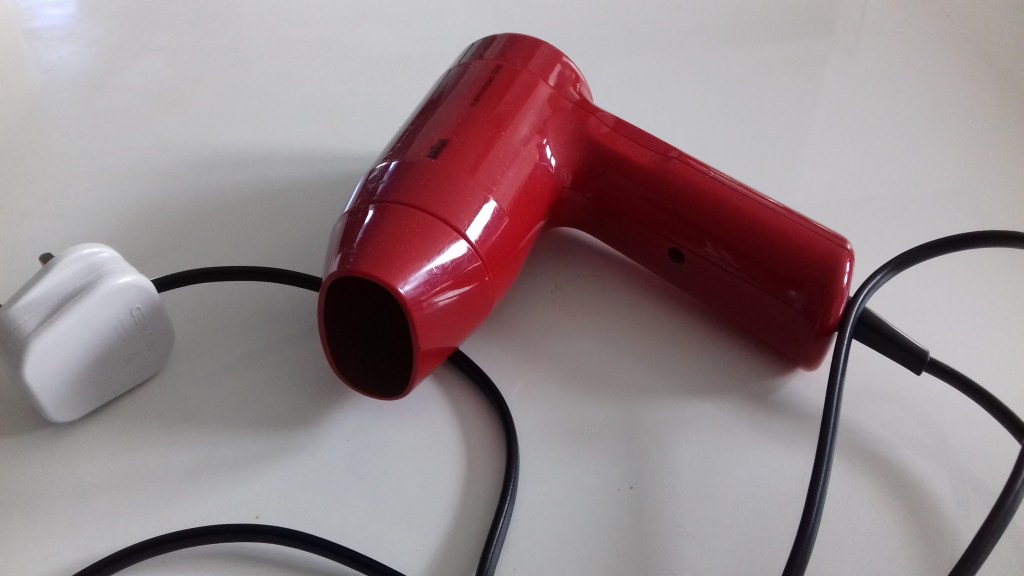
I threw away a hair drier last week. It had been lying around for weeks while I tried to find someone to fix it. The prospect of throwing it away made me sad. I haven’t used a hair drier for my hair for over thirty years and this one was mainly to speed up the process of defrosting the fridge or else to blow clumps of fluff from under the bed to make it easier to vacuum. It’s just a hair drier, I kept telling myself, angry at myself for being so sentimental. It’s an inanimate OBJECT.
My mother had a small, battery-operated radio when I was a child. She loved listening to the radio. Music and news on the official Italian stations during the day on MW. At night, we would often tune into the SW frequency, discovering weird and wonderful languages we played at recognising in between intervals of beeping, whistling, ticking and hissing. Magic night times with my mother, when I’d wake up, glimpse the kitchen light and get up. And there she would be, sitting at the table, listening to the radio and – always – snacking.
When this radio finally gave up the ghost, my mother was upset but also angry with herself for being so attached to an object. Do you want to know how a radio looks like inside? she said to me, a determined glint in her eye. She proceeded to take the radio apart, pretending this was for my sole and educational benefit. But I knew that as she was pulling all the pieces apart, it was her attachment to it she was trying to destroy. There, now you’ve seen the inside. Interesting, isn’t it? Then she threw all the pieces in the bin.
I sat stroking my glossy red hair drier. I didn’t want to break it all apart. But I was equally angry with myself for caring so much.
I ‘d bought that hair drier thirty-six years ago, almost to the day. The first thing I ever bought in this country. On my first ever morning here. It was 21 September 1984. A grey, chilly Cambridge morning. I’d flown in from Rome the night before and my landlady had served me a glass of milk from a glass bottle with a wide neck and a silver foil top. I loved its creaminess. I went to bed in an attic room with sloped ceilings and a window overlooking the playing fields of Fitzwilliam College. I woke up to the sound of crows cawing on the grass. Jet-black birds on iridescent green, against a lead-grey sky that looked so low over your head, you could practically touch it.
My landlady gave me directions to the city centre and I walked down the only Cambridge hill. My mother and my grandmother had brought me up to dry my hair thoroughly after washing it when it was cold, so the first thing I bought upon my arrival in England was a hair drier. A small, bright red Braun model, from the Boots on Sydney Street.
As soon as I got back to my lodgings, I washed my hair, but when I took the hair drier out of its box, I was shocked to notice that it had no plug at the end of its cord. As soon as my hair was dry, I rushed back into town. “There’s a problem,” I told the sales assistant in Boots.
She stared in incomprehension. I stared back in incomprehension. Like two people from different planets. That’s when I discovered that in England, electrical appliances were sold without a plug. You had to buy them separately and wire them yourself. Thirty-six years later, I still don’t know why. Just like I still don’t know why there are separate taps for hot and cold water. Freeze your hands or scald them. Or move them frantically from one to the other.
Electrical appliances without plugs. Separate taps. Tables set without salt and pepper shakers. And poorly heated houses. And shops closing at 5.30. What kind of strange country was this? But, a week later, I heard evensong at King’s. Then I walked across Grantchester Meadows, under the 180º East Anglian sky. Then I fell in love with this country. Then I decided to stay.
A few days ago, I threw away my red hair drier. After nearly thirty-six years of living in this country. But then it’s not the same country anymore. I think that’s why I felt sad.
The next day, I bought a replacement hair drier. Another bright red one. It had to be red again. Because perhaps this country will be back to the way it was again. Someday. And I will know it again.
Scribe Doll
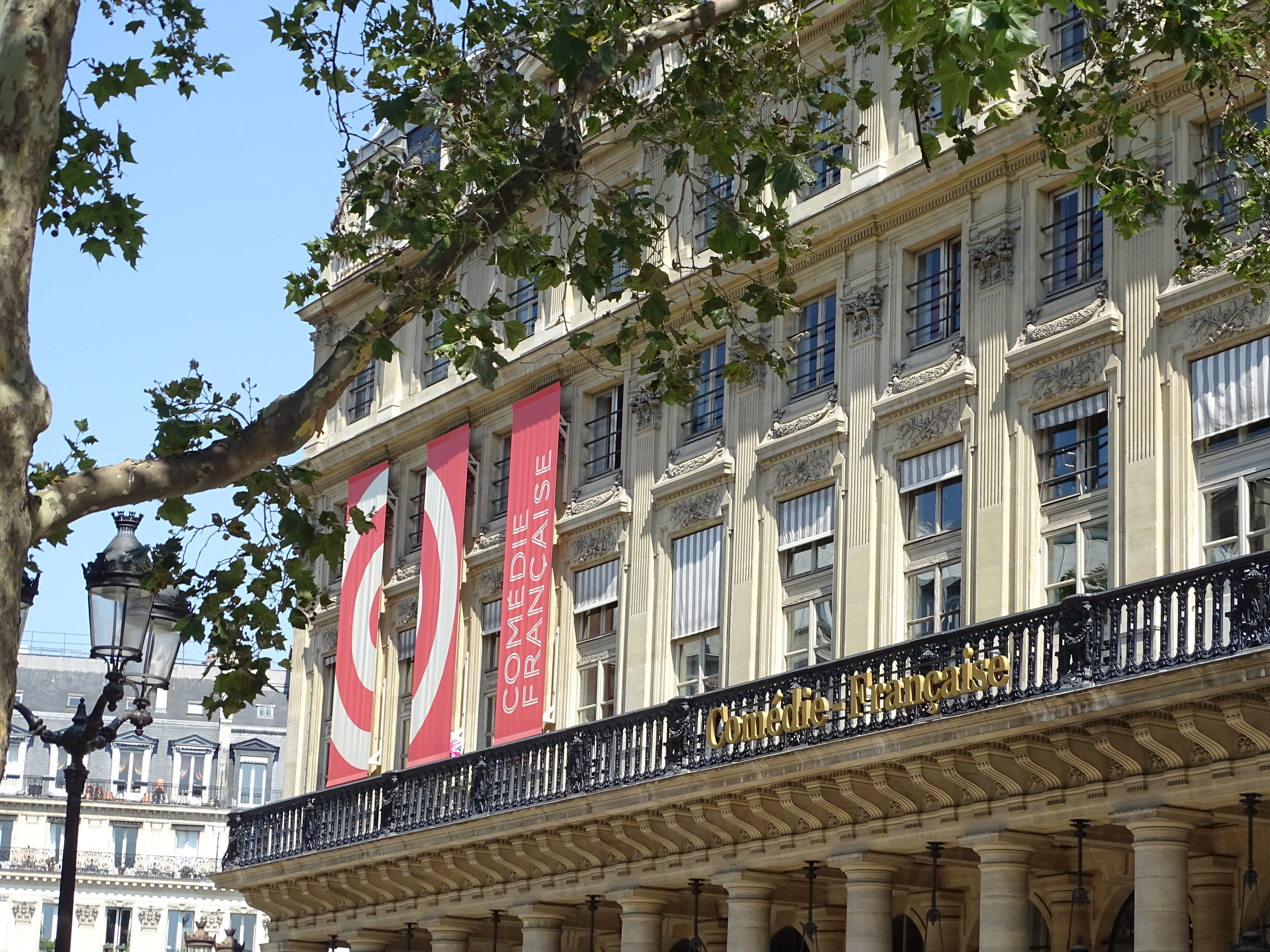 The queue under the colonnade of the Comédie Française is stretching all the way to the theatre shop.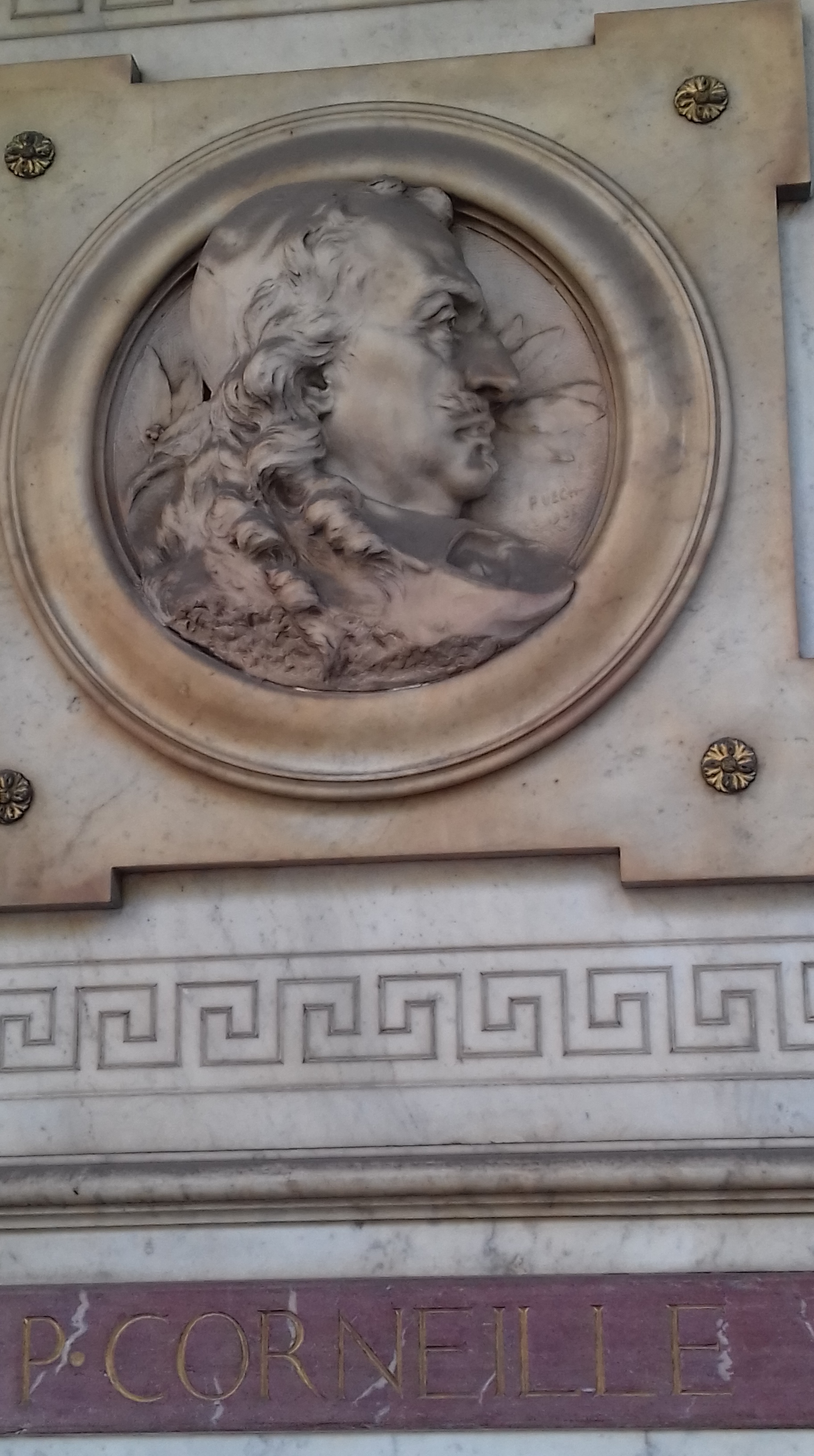
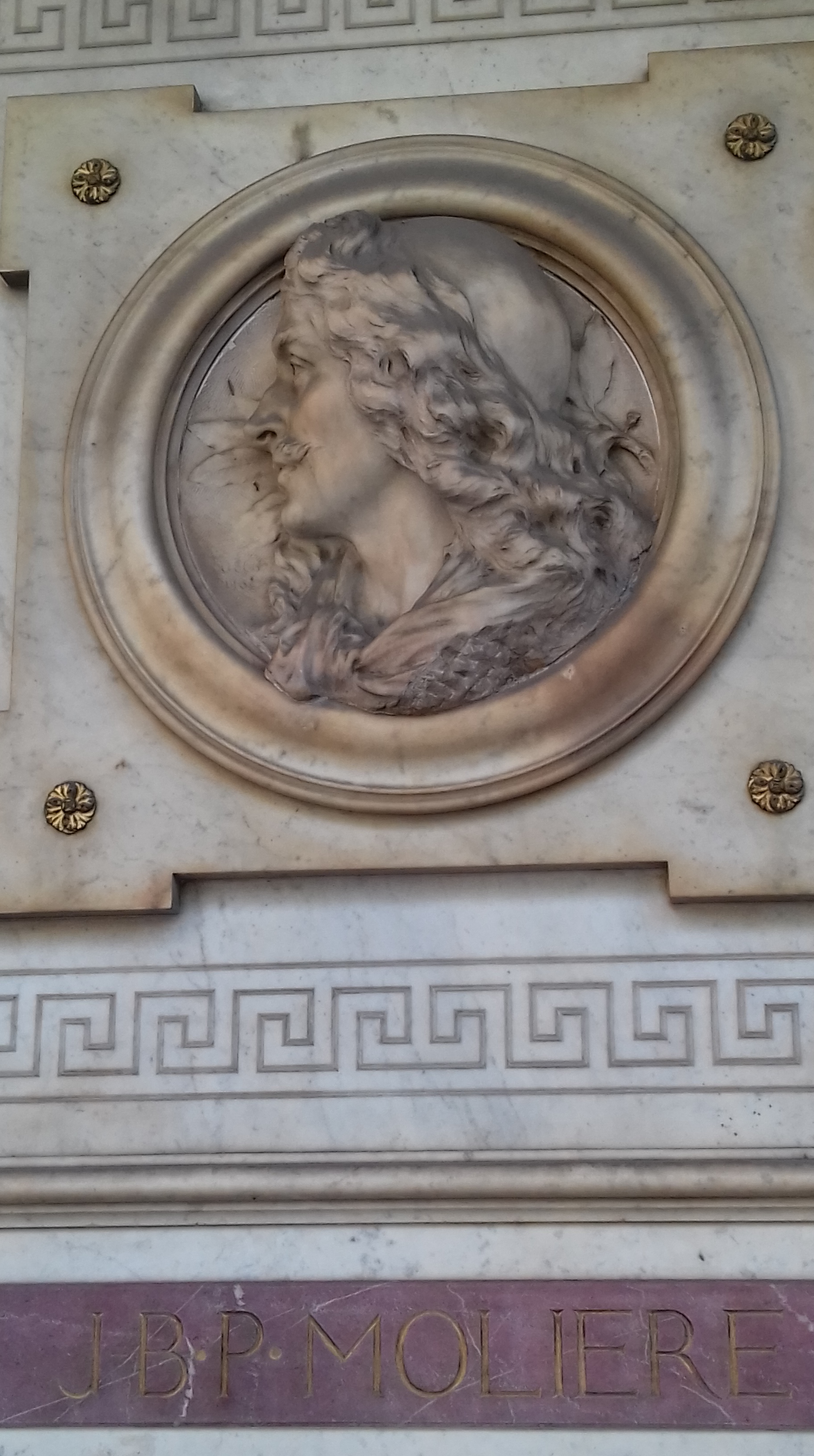
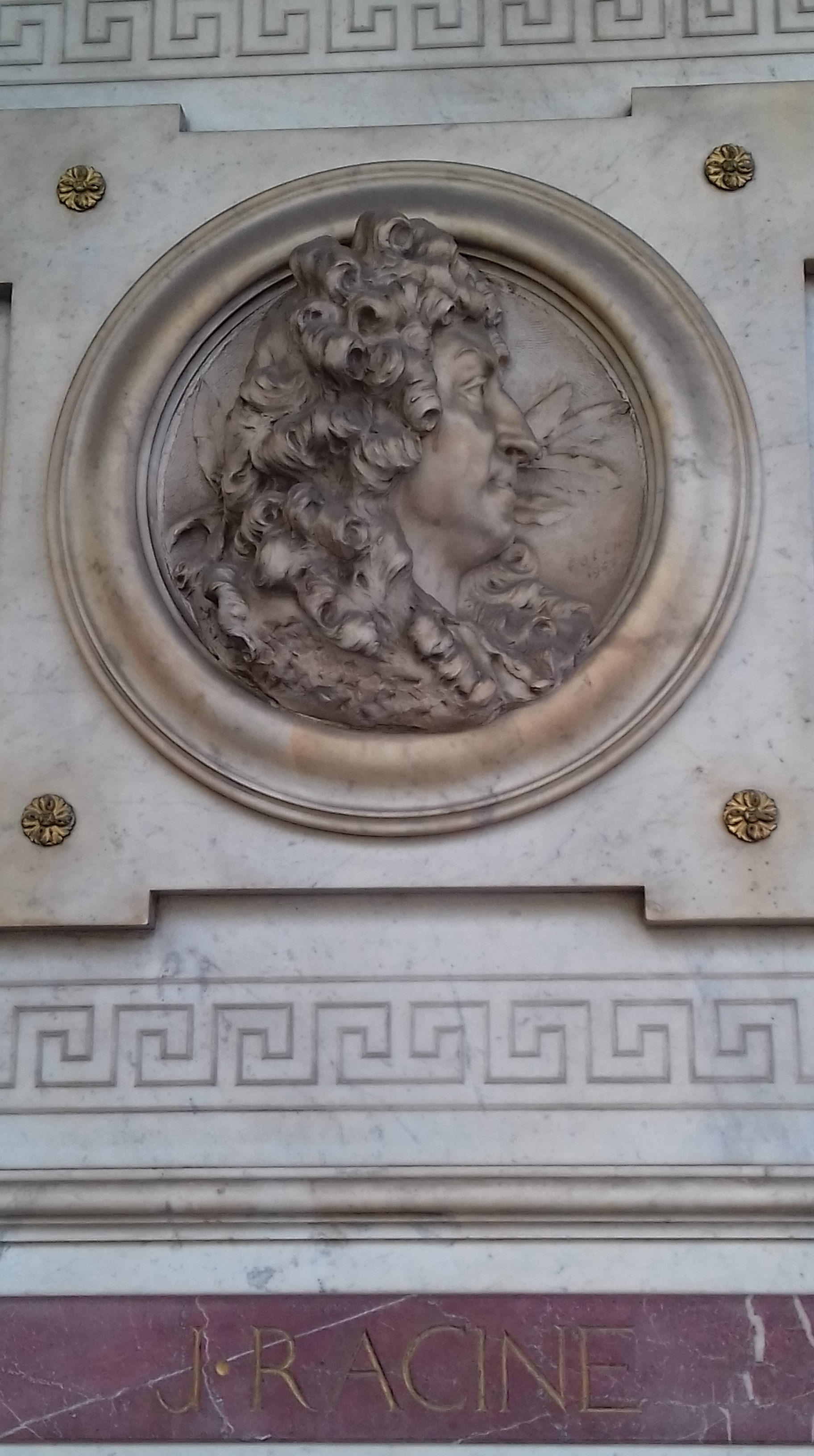
 The crescent of a new moon is slowly emerging through the darkening sky.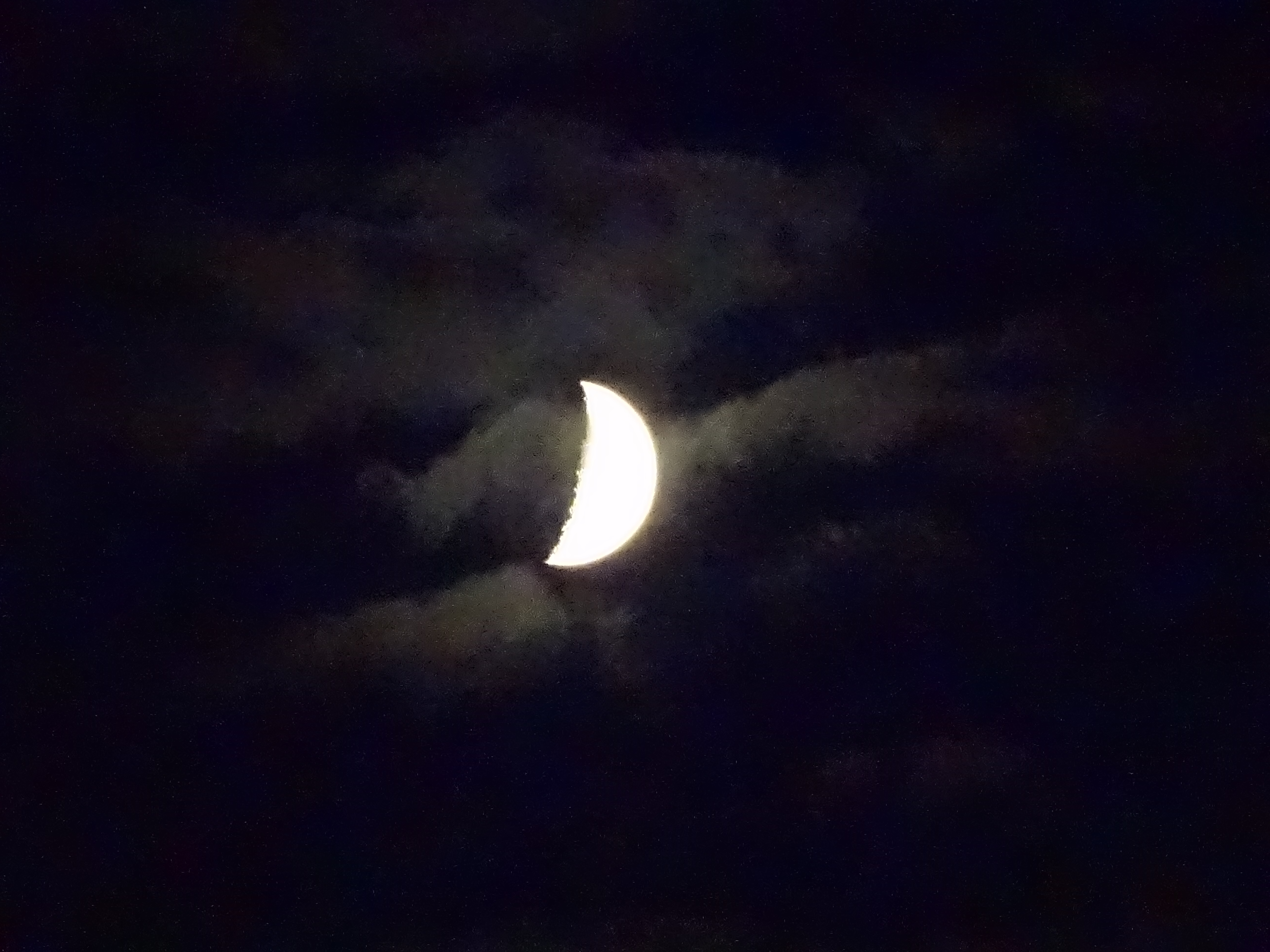
 Yesterday morning, when I opened the windows my skin suddenly felt taut.
 off is a major event) and have spent the last thirty-five years living on an island where the climate has severe commitment issues, I increasingly miss that month when an entire country slows down.
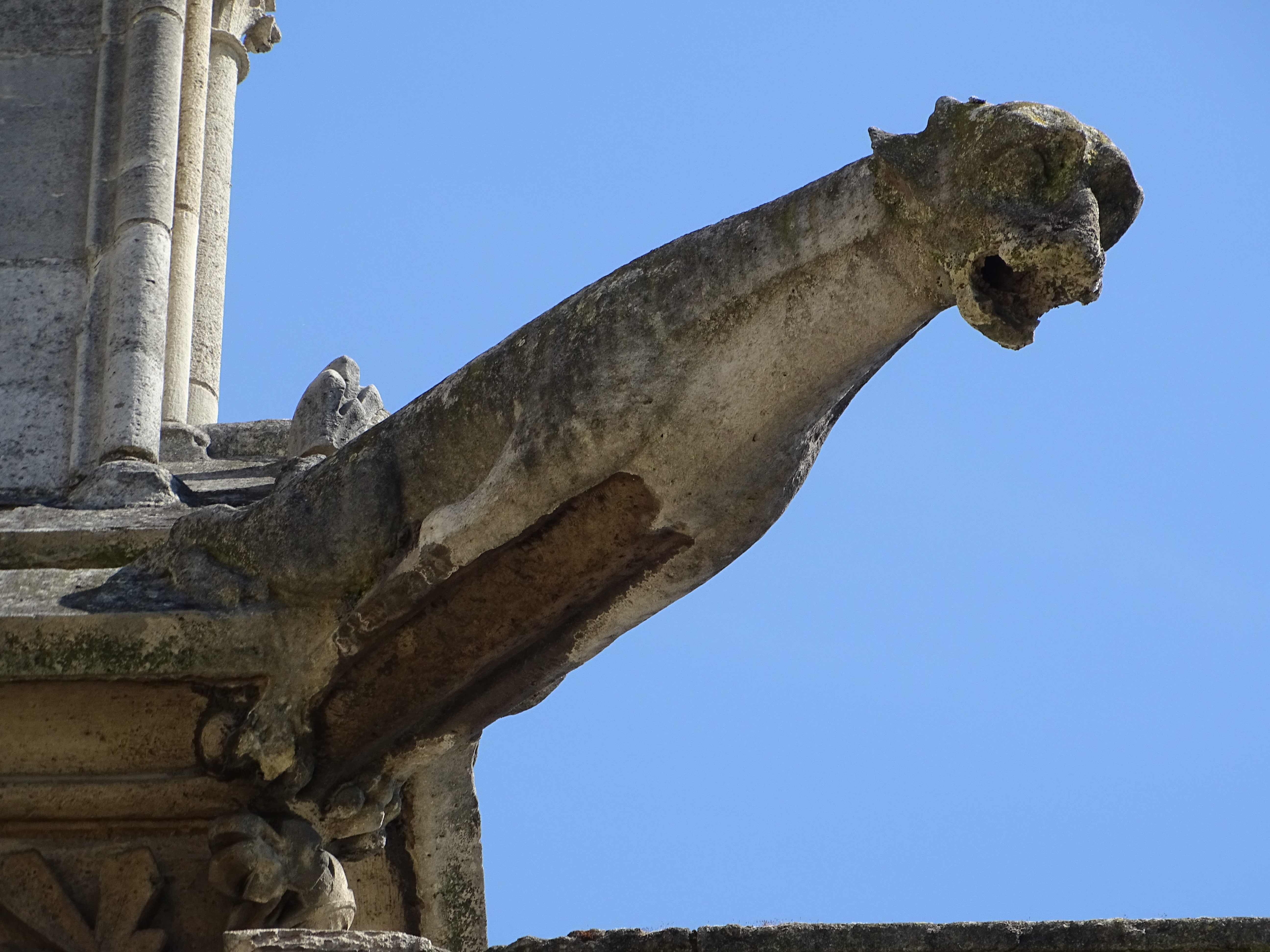
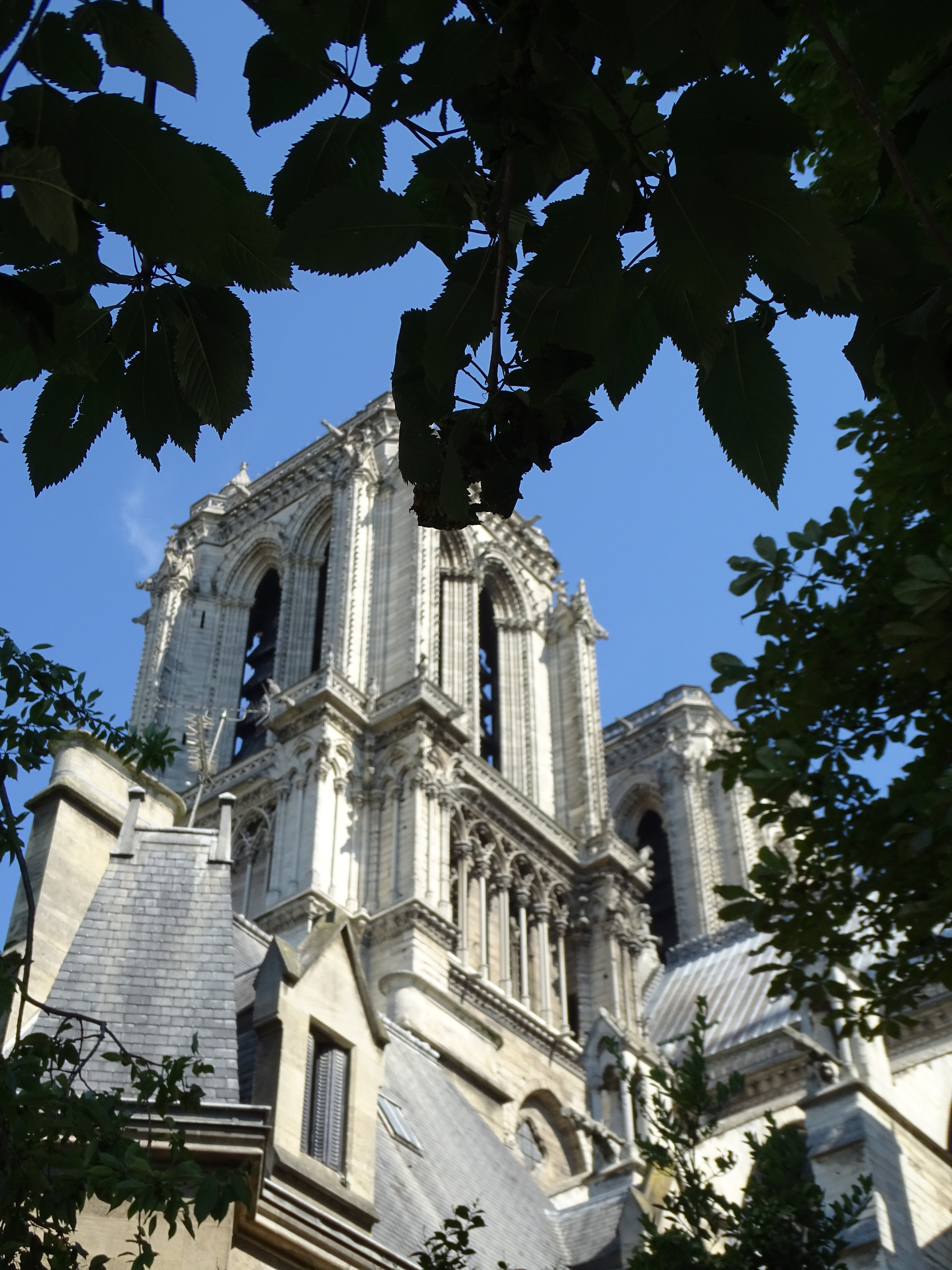
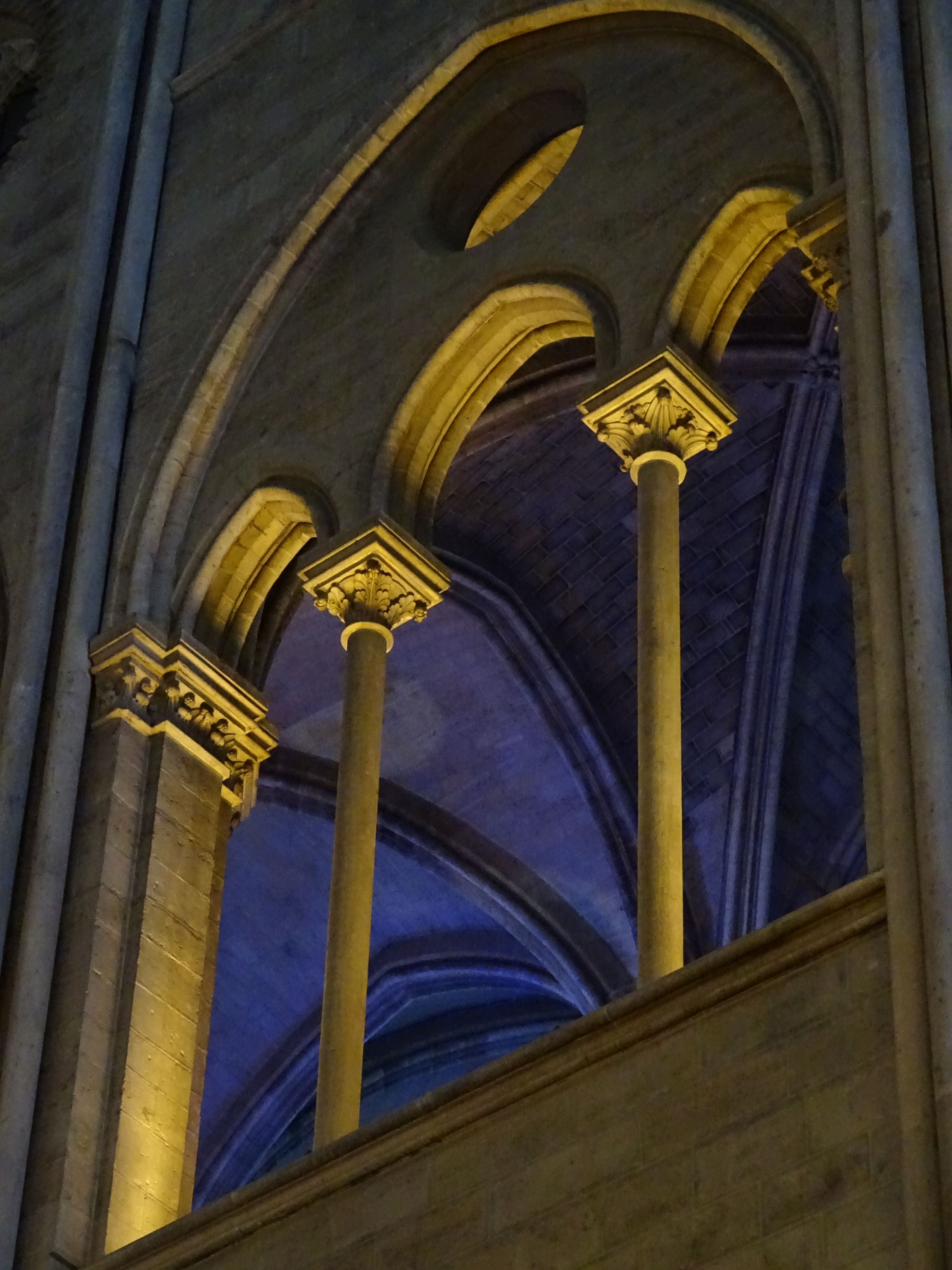
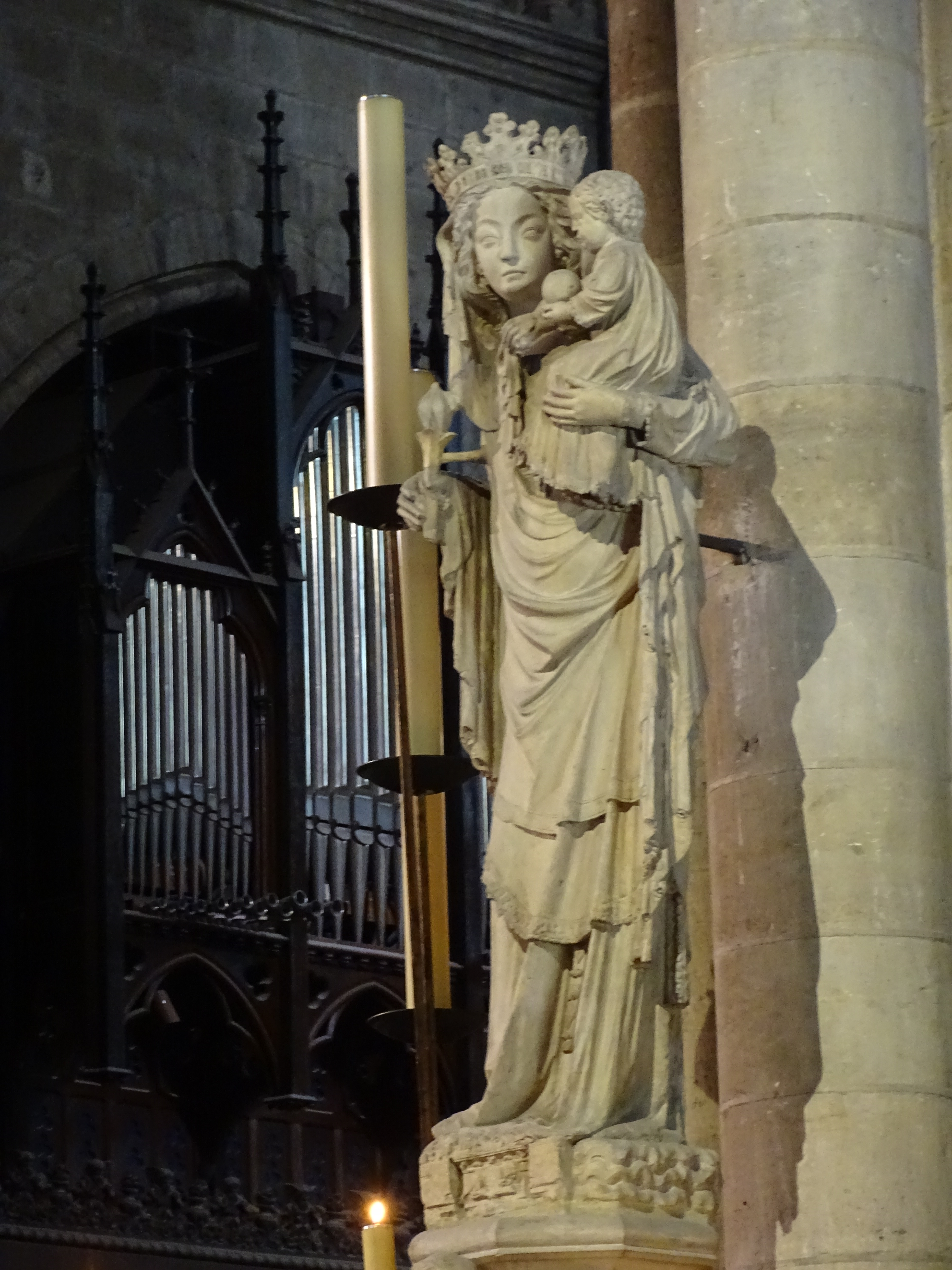
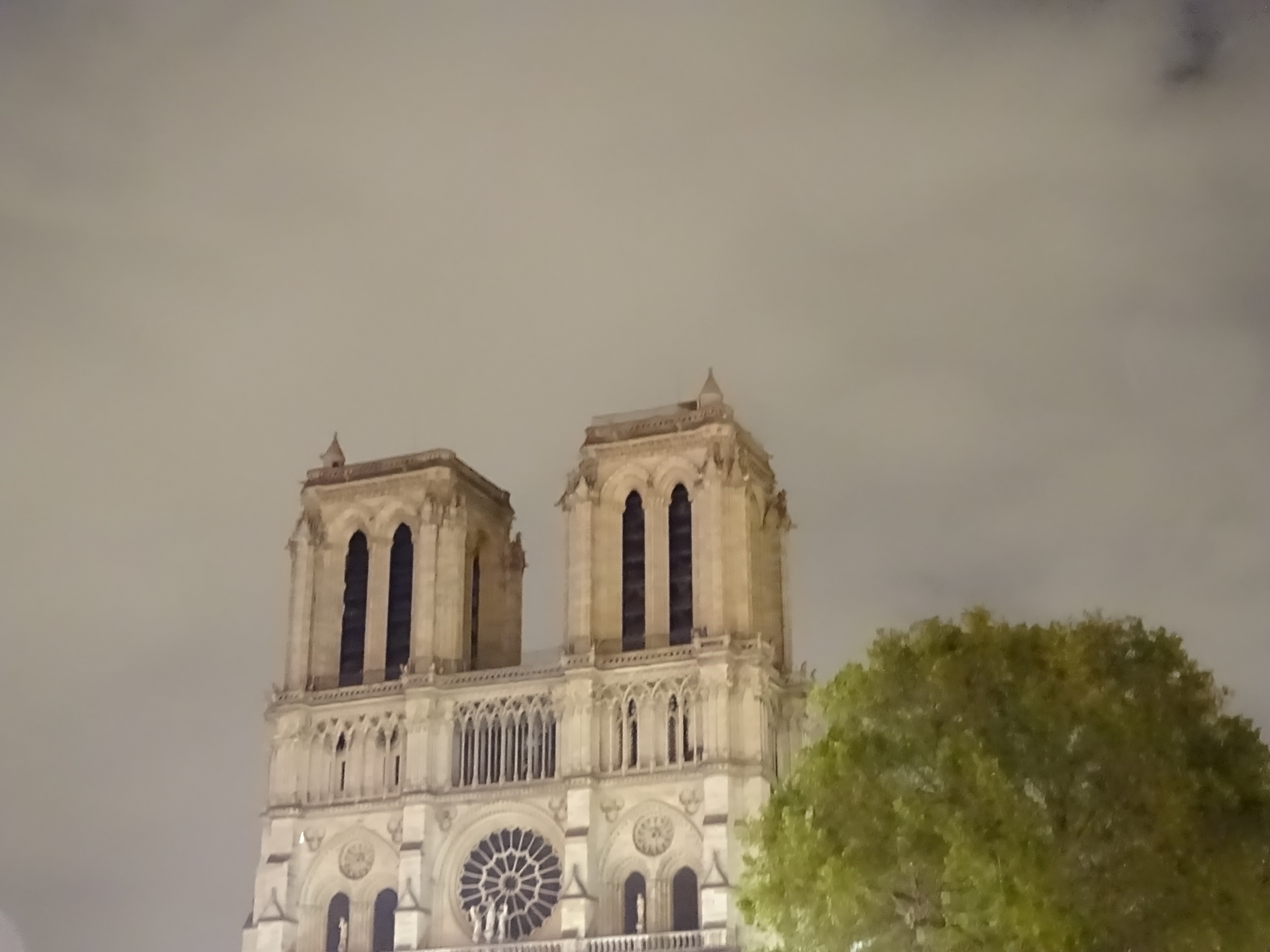
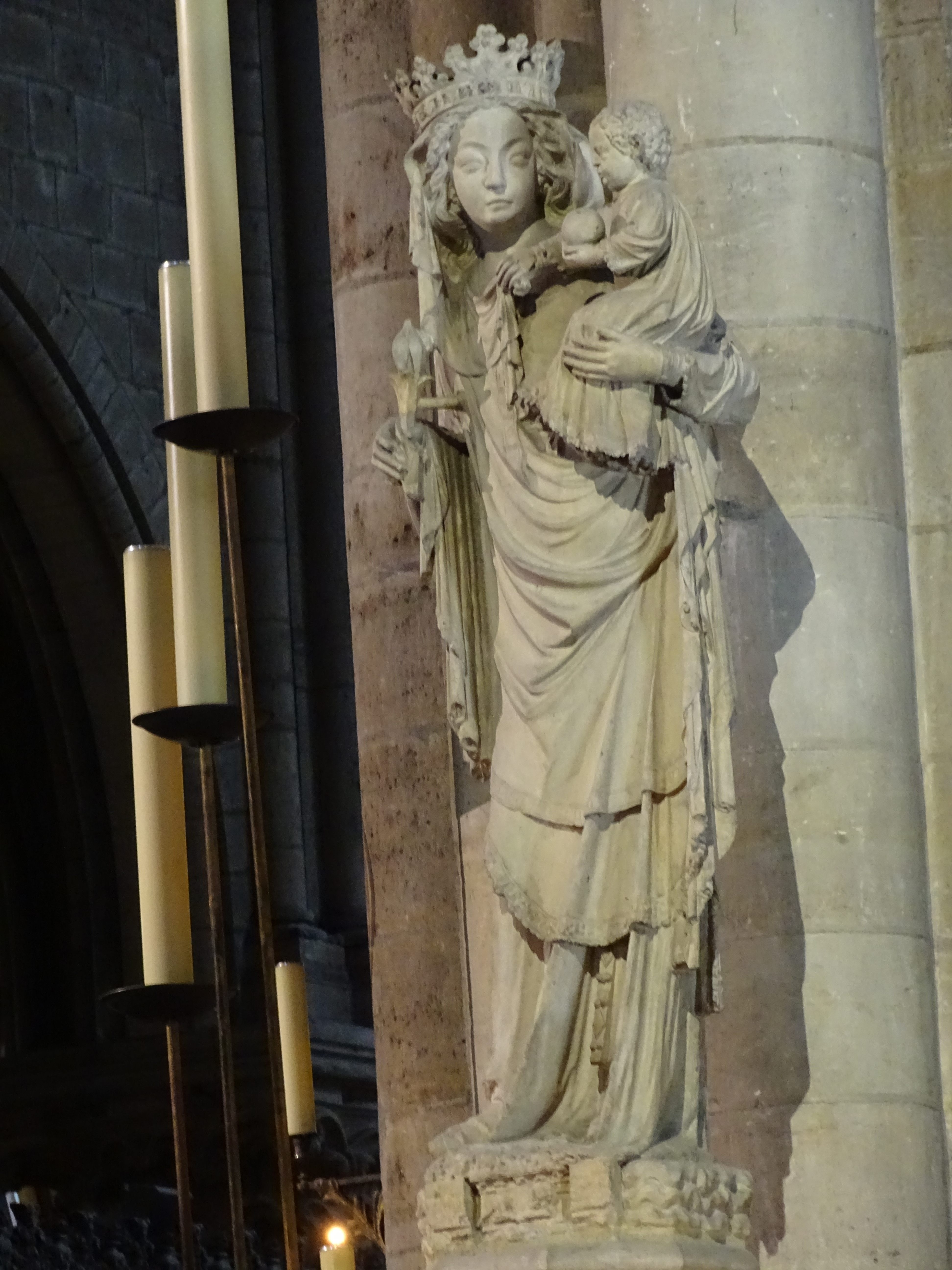 deserted Notre Dame, listening to Mediaeval voices rising to the Rose Window, singing Léonin or Pérotin, music composed for a perfect marriage with Gothic architecture. I went to smile at the stone Virgin and Child, one of my favourite Madonnas. I like her delicate features, her gentle, youthful smile. A few years ago, I translated a crime novel by French novelist Alexis Ragougneau, The Madonna of Notre Dame, and it brought this beautiful statue to my attention.
 We strolled to Île Saint-Louis and stopped in a café for a late breakfast of crêpes and coffee. There was a television broadcasting the parade on the Champs Elysées (Elysian Fields – nowhere would be called this in England). We were the only customers and the manageress started chatting to us. “Macron’s been lucky with the weather both years since he’s been elected,” she said. “It’s been lovely and sunny on 14th July.”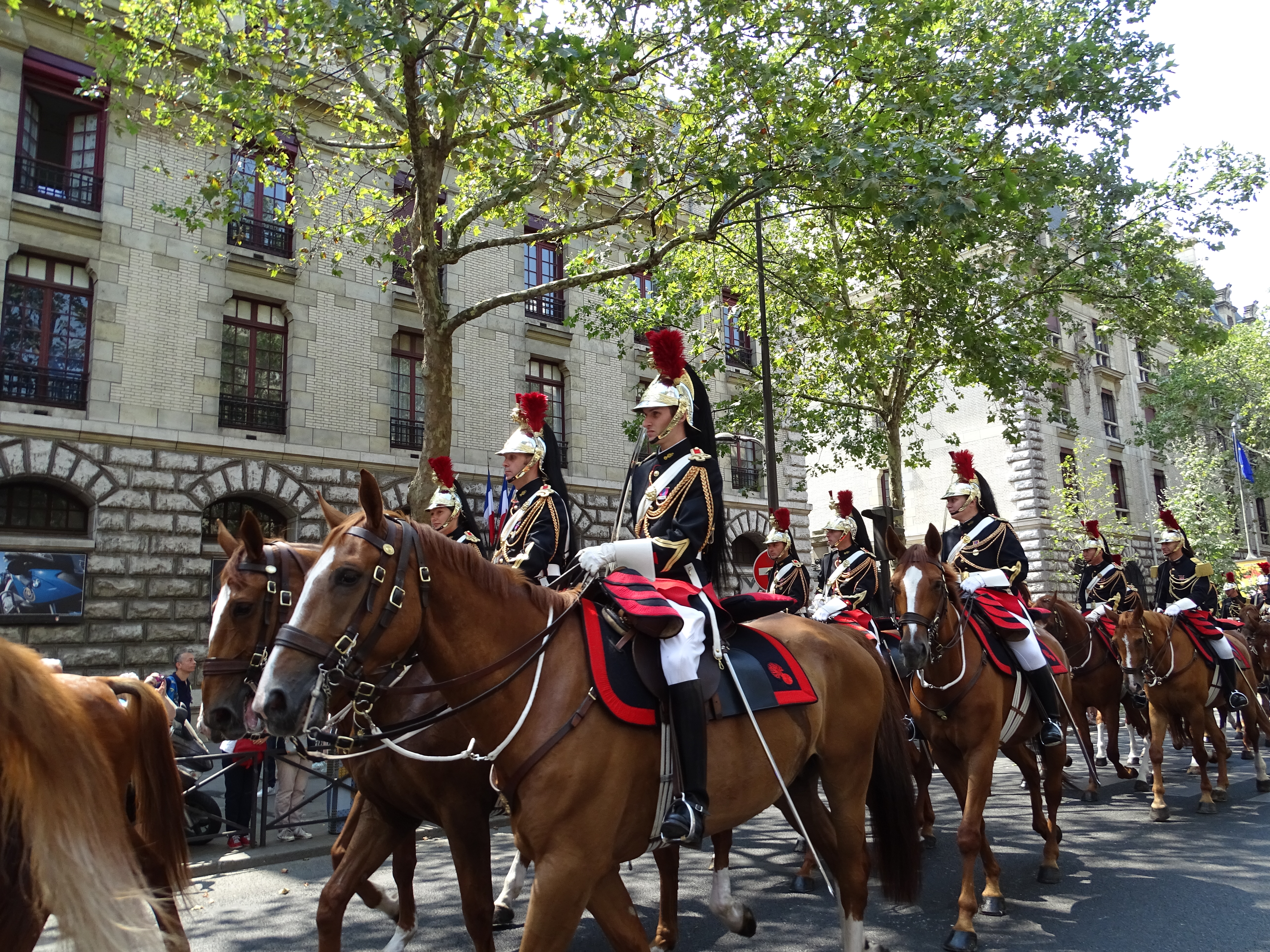
 Scribe Doll